How to Avoid BPC-157 Scams: A Research Buyer's Checklist
7 red flags that signal a fake BPC-157 seller. COA verification steps, pricing outliers to watch, and a printable checklist for safe peptide purchases.
October 2026 observations. The BPC-157 market has been tracked long enough to see the patterns. Fake sellers appear, copy a legitimate store's product photos, list impossible prices, collect payment, and vanish. The peptide space attracts this behavior because there is no FDA gatekeeping on research chemicals, no Yelp for peptide vendors, and buyers often prefer anonymity. This page documents the red flags we check for and the verification steps taken before recommending any seller on this site.
Why Scams Are Common in the Peptide Market
Three factors make research peptides a target for fraud. First, the products are expensive enough to be worth counterfeiting but niche enough that most buyers have never seen a legitimate vial. Second, sellers operate without FDA approval, so no regulatory body inspects production facilities. Third, buyers who self-administer a research chemical may be reluctant to file complaints, which gives scammers a wider margin.
The entire peptide market is not fraudulent. Legitimate sellers exist, and two of them are reviewed on this site. But the absence of regulatory oversight means that the burden of verification falls entirely on the buyer. The checklist below is what we use before placing any order.
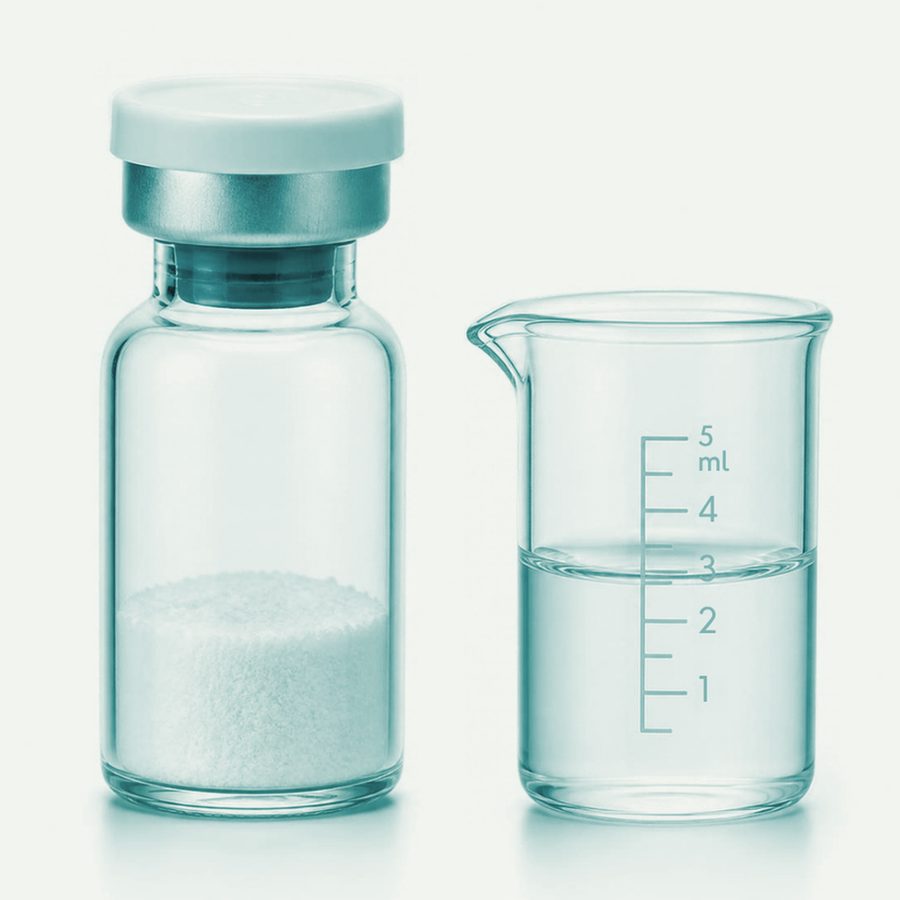
7 Red Flags of a Fake BPC-157 Seller
1. No Certificate of Analysis
A COA from an independent laboratory is the minimum evidence that a seller has tested their product. It states the compound identity, the purity by a named method such as HPLC, and often includes endotoxin screening results. If a seller does not publish a COA on the product page, the buyer has no way to verify what is in the vial before purchasing. This is the most common gap in the market. Some sellers promise to email a COA after purchase, which defeats the purpose: you need the information before you spend money, not after.
For reference, Real Peptides publishes per-lot COAs from Freedom Diagnostics and Kovera labs, reporting purity of 99% or higher and endotoxin levels below 0.1 EU/mg. Peptide God does not display a COA on its product pages as of October 9, 2026. Our safe buying guide walks through what a legitimate COA looks like.
2. Prices Far Below Market Average
Among the sellers we track, BPC-157 costs between $4.32 and $6.99 per milligram. A seller offering 10 mg for $15 or less is pricing below what legitimate synthesis and testing costs. Low prices attract attention, but they should also attract suspicion. The old saw about deals that seem too good applies here with real financial stakes.
3. Fake Urgency and Scarcity Tactics
"Only 2 left in stock!" "Sale ends in 3 hours!" These tactics pressure you to skip the verification steps. Legitimate sellers restock their products on regular cycles. They do not need countdown timers or flashing banners to move inventory. If a product page feels more like an infomercial than a research supply catalog, that is information.
4. No Physical Address or Contact Information
A seller who does not list a business address, a phone number, or a verifiable email address is harder to hold accountable. Both sellers reviewed here operate from known locations: Peptide God ships from Westminster, CA, and Real Peptides operates from Saint Petersburg, FL, with a second location in CA. A missing address does not prove fraud, but it removes one layer of accountability.
5. Medical Claims and Dosing Instructions
BPC-157 is sold as a research chemical. Sellers who list dosing protocols, claim the product "treats" or "cures" conditions, or describe therapeutic benefits are making claims they cannot legally support. If a seller misrepresents the regulatory status, they may misrepresent the vial contents too.
6. Stock Photos Instead of Real Product Images
Some sellers use generic vial images pulled from stock photo sites. A legitimate seller photographs their own product, showing the label, seal, and packaging. Reverse-image searching a product photo takes 30 seconds and can reveal whether the image was copied.
7. No Return or Refund Policy
A seller who will not replace damaged or lost shipments has no incentive to pack or ship carefully. Real Peptides offers replacement vials for damaged or lost orders. Peptide God has a policy page, though the content loads dynamically. Any seller that refuses to address order problems in writing should be approached with caution.
How to Verify a COA Is Real
- 1. Check for the lab name
- Must be a real, contactable laboratory
- 2. Look for a batch or lot number
- Must match your purchased product
- 3. Confirm the testing method
- HPLC for purity, LAL for endotoxin
- 4. Verify the purity percentage
- Should be specific, not "100% pure"
- 5. Contact the lab directly
- Ask if they tested that lot number
- 6. Check the document format
- Low-resolution or editable PDFs are suspect
What to Check on the Document
A legitimate COA names the laboratory, provides the lab's contact information, references a specific lot or batch number, states the testing method (HPLC is standard for peptide purity), and reports a numerical purity result. Real Peptides names two labs: Freedom Diagnostics and Kovera. Their COAs report purity of 99% or higher via HPLC and endotoxin screening below 0.1 EU/mg. The lot number ties the document to a specific production run.
How to Contact the Testing Lab
If a COA names a lab, search for that lab independently. Find their website, call their published number, and ask whether they performed testing on the lot number listed. This takes 10 minutes and is the single most effective way to verify a COA. If the lab does not exist, has no record of the lot, or has never heard of the seller, the COA is fabricated. We have not performed this verification for the sellers reviewed on this site, but the process is described here so any buyer can do it independently.
Price Benchmarks for Spotting Outliers
Knowing the legitimate price range helps you spot outliers in both directions. Below is what the data from two US sellers shows.
| Vial Size | Low End (per mg) | Typical Range (per mg) | Outlier / Too Cheap (per mg) |
|---|---|---|---|
| 5 mg | $6.99 | $5.00 - $7.00 | Below $3.00 |
| 10 mg | $4.32 | $4.00 - $6.00 | Below $2.50 |
The "outlier" column is our rough threshold. Prices below those levels fall under the cost of legitimate peptide synthesis and third-party testing. They are not impossible, but they warrant aggressive verification before you hand over payment. The discounts and bulk pricing page shows how volume discounts affect per-vial cost at Real Peptides, where 20 vials bring the per-milligram cost down to $3.46, still well above the outlier floor.
Checklist Before You Order
- 1. COA published on product page
- Not promised by email after purchase
- 2. Lab named on COA is independently verifiable
- Search for the lab separately
- 3. Price per milligram falls within $4.32 to $6.99 range
- Based on current US seller data
- 4. Seller lists a physical US address
- Westminster CA, or FL/CA for our reviewed sellers
- 5. No medical claims or dosing instructions on product page
- Research chemical labeling only
- 6. Product images appear to be original
- Reverse-image search to verify
- 7. Return or replacement policy is stated in writing
- Before you reach checkout
- 8. Payment method provides buyer protection
- Bank transfer or card with chargeback rights
- 9. Shipping cost and delivery estimate disclosed
- No surprises at checkout
- 10. Independent reviews exist outside the seller's own site
- Forums, Reddit, third-party review sites
What to Do If You Suspect a Scam
If a product arrives and you suspect it is not what was advertised, the options depend on how you paid. Credit card payments offer chargeback rights. Bank transfers may be reversible within a short window. Cryptocurrency payments are typically final. Document everything: photograph the packaging, save the order confirmation, and record any communication with the seller.
Contacting the seller first is the practical starting point. A legitimate business will address a quality concern. A scam operation will not respond. If the seller listed a US address, you can file a complaint with the FTC or your state attorney general.
FAQ - BPC-157 Scam Avoidance
How can I tell if BPC-157 is real?
Request or locate the certificate of analysis on the product page. A real COA will name the lab, state the testing method (HPLC), and report a specific purity percentage tied to a batch number. Contact the lab directly to confirm they tested that lot. Without a COA, you cannot confirm the vial contents before purchasing. Our safe buying guide has the full verification process.
Are cheap BPC-157 sellers always scams?
Not always, but prices below $2.50 per milligram for a 10 mg vial fall under normal synthesis and testing costs. Real Peptides sells at $4.32 per milligram with published COAs. Peptide God sells at $6.00 per milligram for 10 mg. Prices significantly below this range deserve extra scrutiny. Volume discounts from legitimate sellers can lower per-vial cost, but even at 20 vials, Real Peptides drops to $3.46 per milligram.
What should a real COA include?
At minimum: the laboratory name and contact information, the testing method (HPLC for purity, LAL for endotoxin), a specific numerical purity result, the lot or batch number, and the date of analysis. Real Peptides COAs from Freedom Diagnostics and Kovera labs include all of these. A document missing any of these elements is incomplete and may be fabricated.
Can I get a refund from a scam seller?
It depends on your payment method. Credit cards offer chargeback protection, typically within 60 to 120 days. Bank transfers may be reversible if reported quickly. Cryptocurrency payments are generally irreversible. Document the transaction, save all communications, and file a dispute through your payment provider. For US-based sellers, filing an FTC complaint creates a public record.
Is it safer to buy BPC-157 from US sellers?
US-based sellers are subject to US consumer protection laws, which gives buyers more recourse. Both sellers reviewed here ship domestically: Peptide God from Westminster, CA, and Real Peptides from FL and CA. Domestic orders avoid customs delays and import complications. Being US-based does not guarantee quality, but it provides a legal framework for disputes.
Before purchasing or using any research peptide, consult a licensed healthcare provider. This page documents patterns observed in the peptide market and is not medical guidance.
Compare the current picks
Prices, sizes and ratings side by side, updated when the merchant pages change.
Shop BPC-157