Bacteriostatic Water: Why It Matters for Peptide Research
Why bacteriostatic water is the standard solvent for reconstituting lyophilized peptides. Benzyl alcohol preservative, USP specs, shelf life and alternatives.
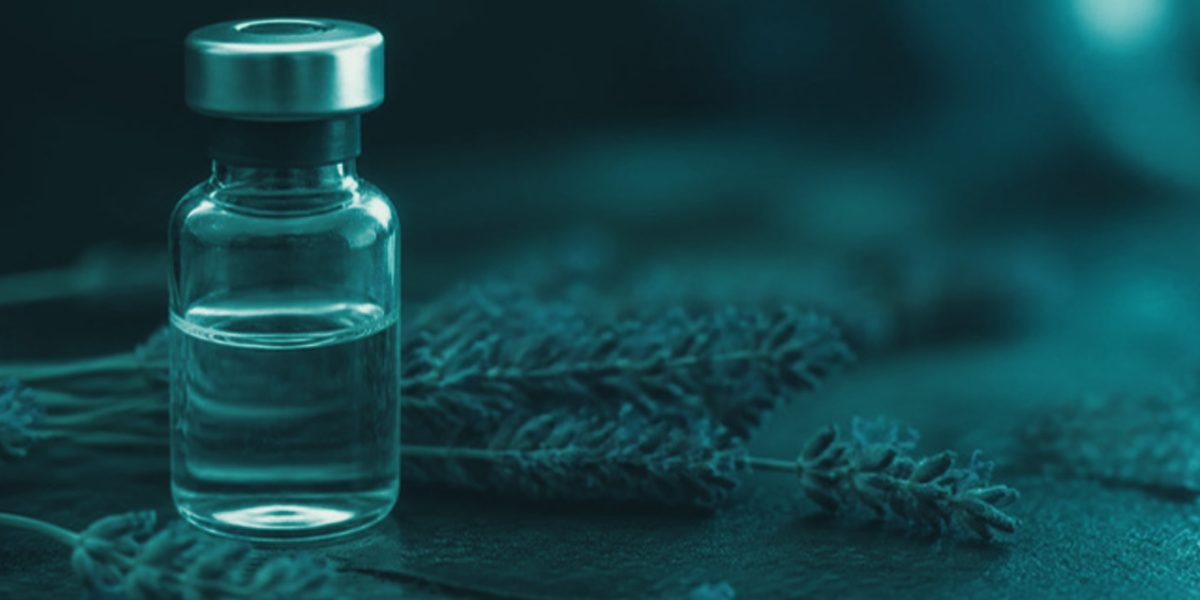
Lyophilized peptides ship as a dry powder and need to be reconstituted before use in research applications. The liquid you use for reconstitution determines how long the solution remains usable and whether bacterial contamination becomes a problem. Bacteriostatic water is the standard choice for multi-use reconstitution, and the reason comes down to one ingredient: benzyl alcohol.
What Bacteriostatic Water Is
Bacteriostatic Water for Injection, USP, is sterile water containing 0.9% (9 mg/mL) benzyl alcohol as a bacteriostatic preservative. The benzyl alcohol inhibits bacterial growth introduced when a needle punctures the vial's rubber stopper. According to the Pfizer/Hospira product label published on DailyMed, the solution has a pH of 5.7 (range 4.5 to 7.0) and is supplied in multiple-dose containers for repeated withdrawals.
The "USP" designation means the water meets United States Pharmacopeia specifications and has been tested for sterility, pyrogen content, and particulate matter. Non-USP products may not meet these standards and should be avoided.
Bacteriostatic vs Sterile Water
| Property | Bacteriostatic Water (USP) | Sterile Water for Injection (USP) |
|---|---|---|
| Preservative | 0.9% benzyl alcohol | None |
| Multi-dose use | Yes, up to 28 days | No, single use only |
| Bacterial growth inhibition | Yes | No |
| Shelf life after puncture | 28 days | Use immediately, discard remainder |
| Typical vial size | 10 mL or 30 mL | 10 mL, 20 mL, or larger |
Use bacteriostatic water when you plan to draw from the reconstituted vial multiple times over days or weeks. Use sterile water when the entire contents will be used in a single session. For most peptide research applications involving multi-dose protocols, bacteriostatic water is the appropriate choice.
Sterile water without preservative becomes a bacterial growth medium within hours of the first needle puncture. This is not a theoretical risk. It is the reason bacteriostatic water exists.
Shelf Life and Storage
An unopened vial has a shelf life of 2 to 3 years from the date of manufacture. Once the stopper is punctured, the 28-day clock starts. After 28 days, discard the vial regardless of how much liquid remains.
The 28-day limit comes from USP Chapter 797 pharmaceutical compounding standards and reflects the validated period during which the benzyl alcohol preservative reliably prevents bacterial growth after the sterile barrier has been compromised.
- Unopened vial
- Room temperature, 20-25 C (68-77 F)
- After first puncture
- Room temp or refrigerated, 2-8 C (36-46 F)
- Maximum use period after opening
- 28 days
- Freezing
- Do not freeze
- Light exposure
- Store in original packaging
Where to Buy Bacteriostatic Water
Bacteriostatic water is available from pharmacies, medical supply companies, and peptide vendors. Real Peptides sells USP-grade bacteriostatic water at $4.80 per 10 mL vial. This is a straightforward addition to a peptide order and ships with the same domestic delivery terms. For detailed product information, see our Real Peptides bacteriostatic water review.
When purchasing from any source, verify the label states "Bacteriostatic Water for Injection, USP," the preservative is listed as 0.9% benzyl alcohol, a lot number and expiration date are printed on the vial, and the seal is intact.
Reconstitution Reference
| Bacteriostatic Water Added | Concentration | Amount per 0.1 mL Draw |
|---|---|---|
| 1 mL | 10 mg/mL | 1 mg |
| 2 mL | 5 mg/mL | 0.5 mg (500 mcg) |
| 5 mL | 2 mg/mL | 0.2 mg (200 mcg) |
A single 10 mL vial of bacteriostatic water covers five peptide reconstitutions at 2 mL per vial.
FAQ - Bacteriostatic Water
Can I use tap water or distilled water instead?
No. Tap water is not sterile and contains minerals, chlorine, and bacteria that will degrade the peptide and contaminate the solution. Distilled water is not sterile either unless specifically processed and packaged as sterile water for injection. Only USP-grade bacteriostatic water or sterile water for injection should be used.
Does benzyl alcohol affect peptide stability?
At the 0.9% concentration used in USP bacteriostatic water, benzyl alcohol does not significantly affect the stability of most lyophilized peptides including BPC-157. Reconstituted peptides stored refrigerated in bacteriostatic water typically maintain stability for the full 28-day use window.
Is bacteriostatic water a prescription product?
Bacteriostatic Water for Injection, USP is labeled as a prescription product (Rx only) by manufacturers like Pfizer/Hospira. However, it is widely available from medical supply companies and peptide vendors without a prescription. For research applications, it is routinely sold alongside research peptides as a reconstitution supply.
Keep reading
FDA Peptide Regulation in 2026: What Changed for Research Chemicals
What the FDA's 2026 actions mean for research peptide buyers. Category 2 bulk substance status, compounding restrictions and what sellers can legally offer.

How to Read a Peptide Certificate of Analysis
A plain-language guide to reading a peptide certificate of analysis. What HPLC purity, mass spec identity and endotoxin results actually tell you.
Why BPC-157 Prices Vary Between Vendors
What drives BPC-157 pricing differences. Synthesis purity, testing costs, vial sizes and markup structures explained with real price data from 2 sellers.
Compare the current picks
Prices, sizes and ratings side by side, updated when the merchant pages change.
Shop BPC-157